University of Cape Town (UCT)
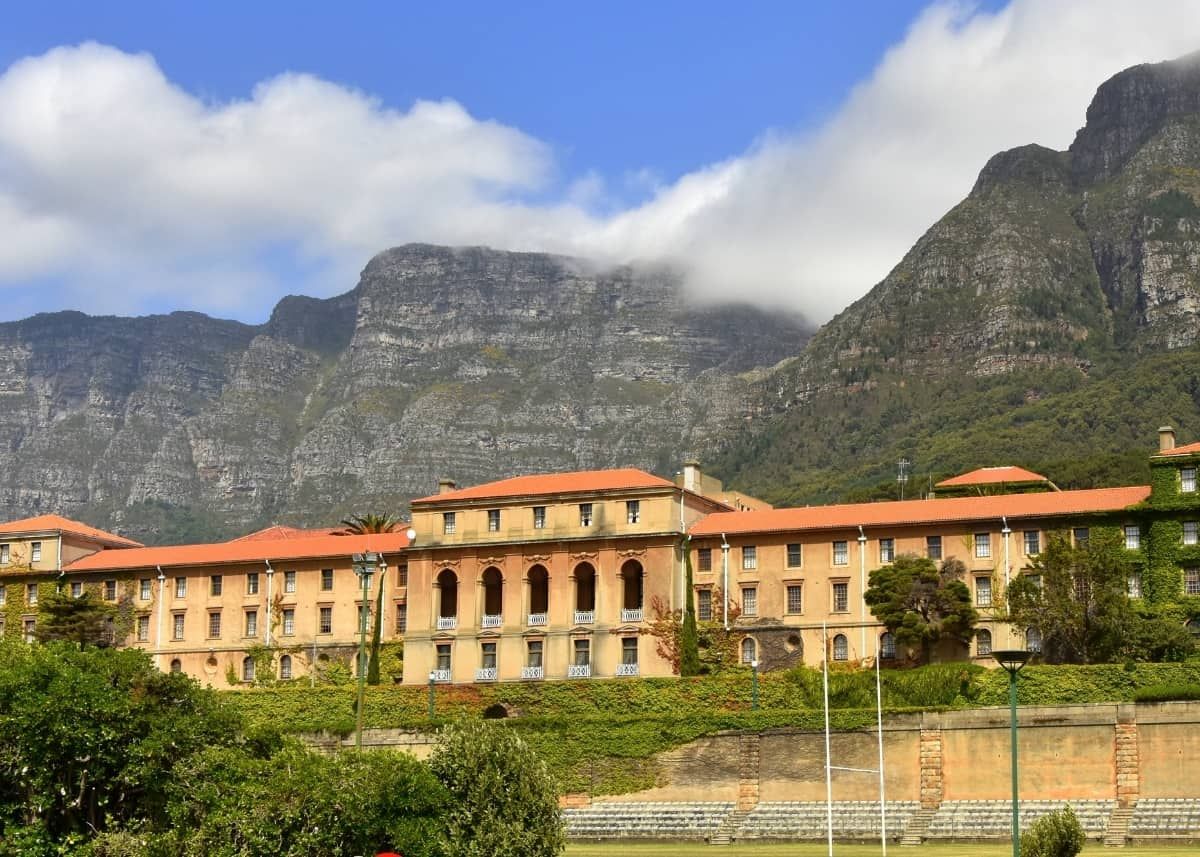
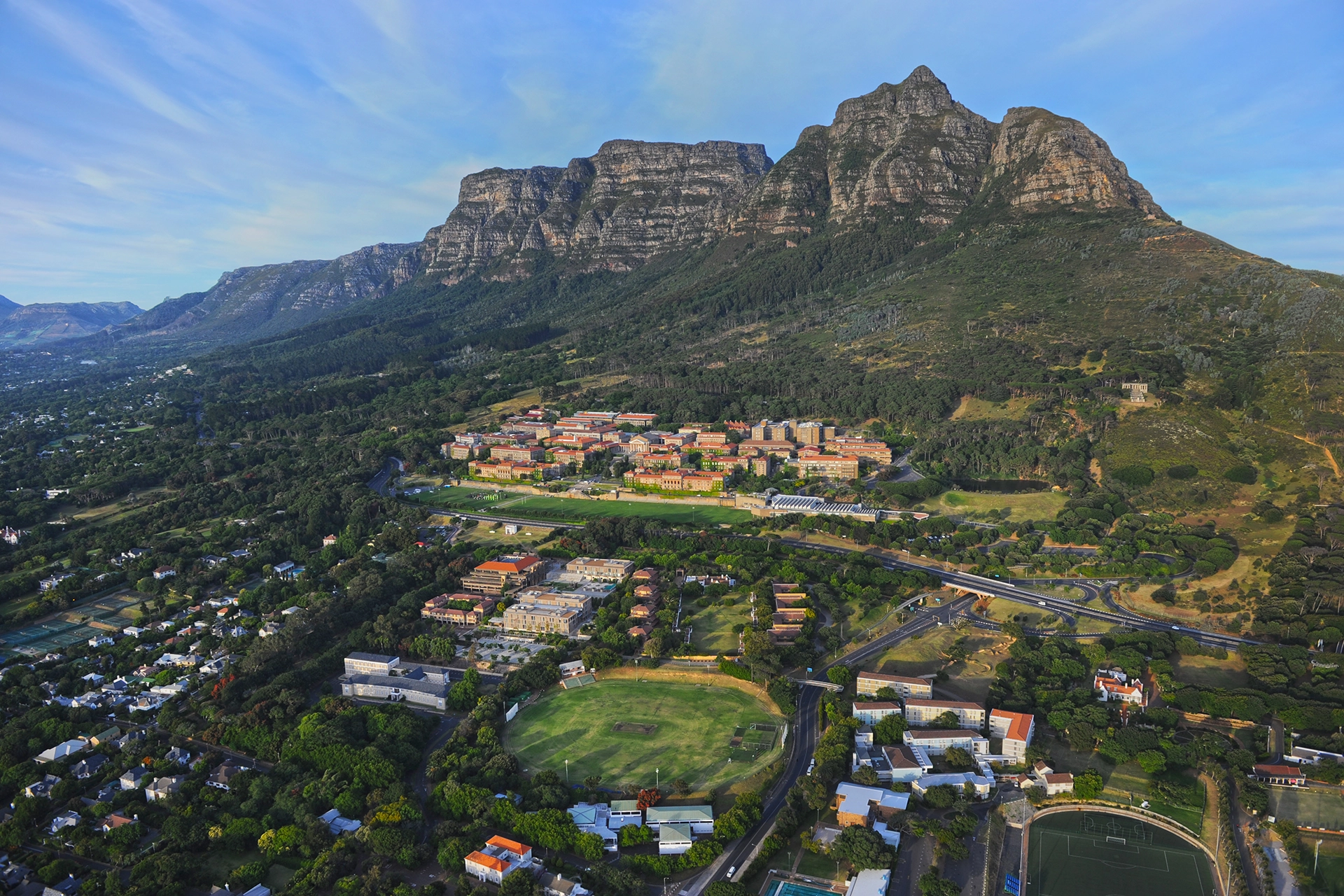
The University of Cape Town (UCT), which is situated on the slopes of Table Mountain, was founded in 1829. UCT’s core mission is to be an outstanding teaching and research university, educating for life and addressing the challenges facing our society. Over the past almost two centuries, UCT has built up and maintained a tradition of academic excellence and the university currently falls within the top 200 rated universities worldwide. It is also Africa and South Africa’s top-rated university.
Over 25 000 students are currently enrolled at UCT across the University’s six faculties: Commerce; Engineering & the Built Environment; Health Science; Humanities; Science; and Law. UCT’s community is dynamic and multicultural, with the student and staff contingent being drawn from over 100 countries in Africa and the rest of the world. As a research-led university, UCT is also proud to be the academic home for more world ranked researchers than any other South African university.
For further information about UCT, see https://uct.ac.za
Faculty of Law
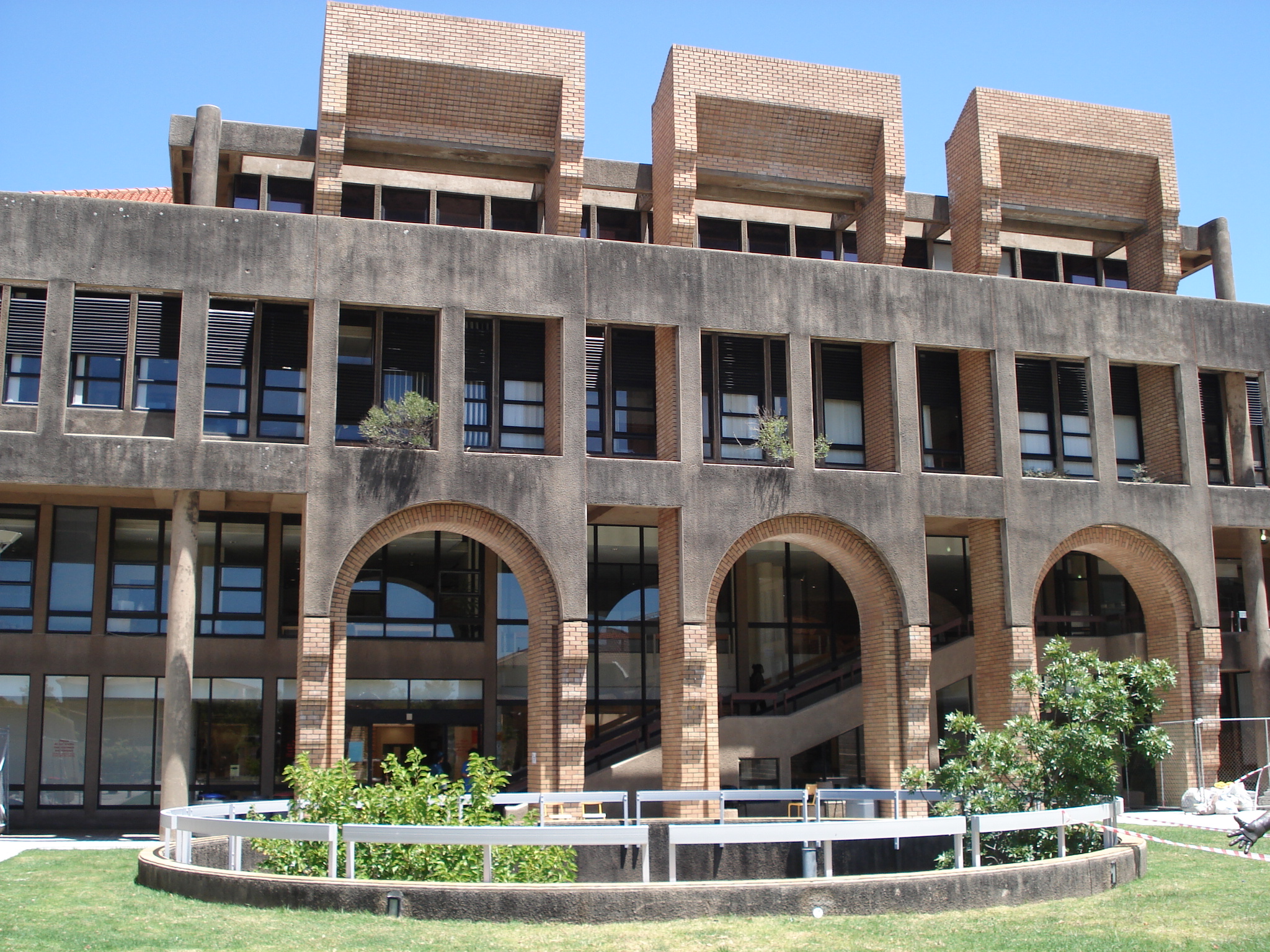
The Faculty of Law at UCT is the oldest in South Africa, with roots dating back to 1859. It is ranked in the top 100 law schools globally and is home to over 100 legal scholars. The Faculty’s vision is to “lead in building legal knowledge and capabilities to realise a sustainably just and equal society”.
The Faculty is organised into three departments, Commercial Law, Private Law, and Public Law, which are supported by a diverse array of Research Institutes and Units. This includes the Institute of Marine and Environmental Law. The Faculty is invigorated by the challenges it faces both within the University and the wider society. In both spheres it has an international and domestic reputation as a leading centre for critical and innovative thought. This recognition is due to our exceptional teaching and research staff. Of our permanent staff, 14 are NRF-rated researchers – one of the highest number of any Law Faculty in South Africa.
Together, this community of legal scholars administers the main degree programmes offered by the Faculty at both undergraduate and postgraduate level. The Faculty has seen significant growth in the past five years, particularly in respect of its postgraduate student body, which now constitutes about 40 per cent of the entire student body.
For more information about the Faculty, see www.law.uct.ac.za
Institute of Marine and Environmental Law (IMEL)
The Institute of Marine and Environmental Law (IMEL) was founded in 1983 as the Institute of Marine Law, at the time when South Africa signed the UN Convention on the Law of the Sea. During the 1990s environmental law became an increasing component of the Institute’s work, and in 1999 it was re-named the Institute of Marine and Environmental Law to reflect this. IMEL is housed within the Department of Public Law and is the oldest and largest dedicated grouping of marine and environmental law scholars in Africa.
IMEL’s mission is to conduct high quality research, teaching and consultancy work in the fields of marine and environmental law, and to produce publications and outputs of international excellence. The Institute has three full-time academic staff members. They are Dr Denning Metuge, Associate Professor Jenny Hall and Professor Alexander Paterson. The Institute also has two Emeritus professors, Professor Jan Glazewski and Professor Derry Devine.
For further information about IMEL, see www.imel.uct.ac.za
The Organising Team
The local academic committee consists of experienced scholars and practitioners:

Dr Denning Metuge
A senior lecturer at IMEL whose research interests span the Law of the Sea and Marine Spatial Planning. You can view his profile here
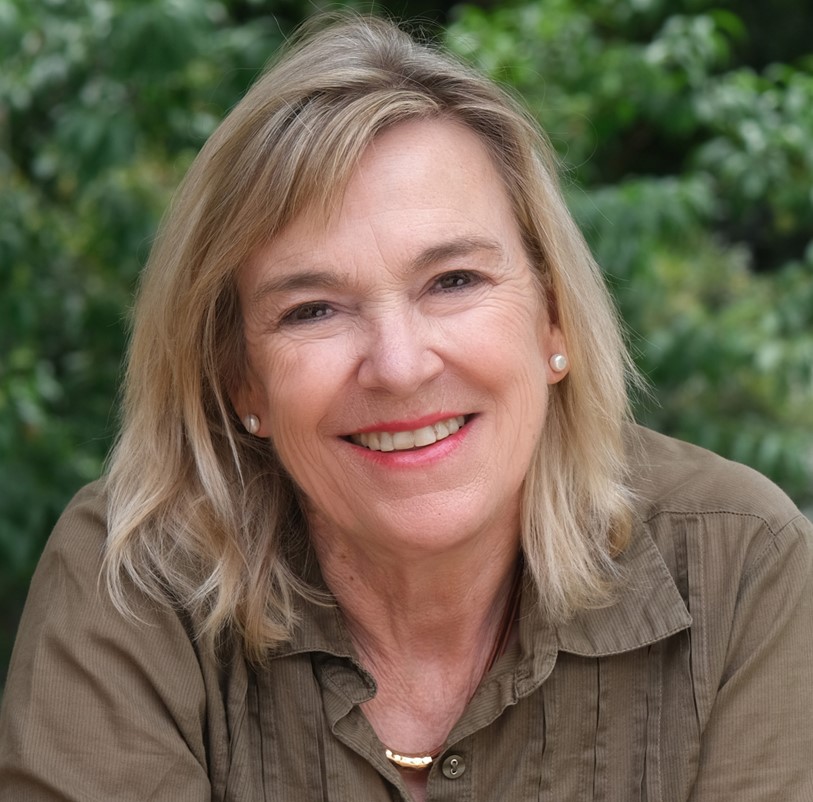
Associate Professor Jennifer Hall
An Associate Professor at IMEL whose research interests span the environmental rule of law, environmental justice and pollution legislation. She is a member of the IUCN Academy of Environmental Law Teaching and Learning Sub-committee. You can view her profile here
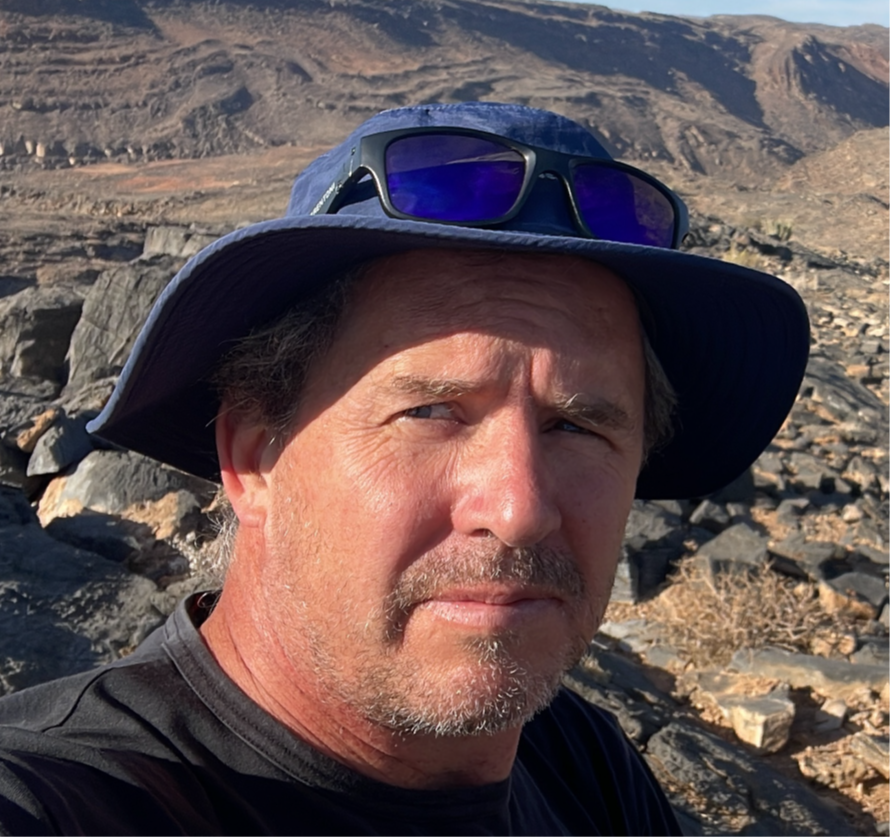
Professor Alexander Paterson
A Professor at IMEL whose research interests span biodiversity, protected areas, land use planning and incentive-based regulation. He is Director of IMEL, the Head of the Department of Public Law and a member of the Governing Board of the IUCNAEL. You can view his profile here